Foods That Trigger Acid Reflux
Certain foods trigger acid reflux more than others, and the pattern is consistent enough across research and clinical advice that most lists agree on the main culprits: fatty and fried food, chocolate, coffee, alcohol, mint, and anything citrus or tomato-based. What’s less consistent is how much each one affects any particular person: triggers are famously individual, which is why the food diary at the end of this article usually tells you more than any generic list ever will.
Why these foods cause trouble
Reflux happens when the valve between your stomach and esophagus (the lower esophageal sphincter) relaxes at the wrong time or doesn’t seal well. Certain foods make that more likely in one of a few ways: they relax the valve itself, they increase how much acid the stomach produces, or they slow down how quickly the stomach empties, leaving more time and volume for reflux to occur. We cover the mechanism in more depth in what causes acid reflux.
The usual trigger foods
- Fatty and fried foods: slow stomach emptying and are linked to more relaxations of the valve
- Chocolate: contains compounds that relax the lower esophageal sphincter directly
- Coffee and other caffeinated drinks: can relax the valve and increase acid production
- Alcohol: relaxes the valve and can irritate the esophageal lining directly
- Mint, including peppermint: often marketed as soothing, but it’s a well-documented valve-relaxer
- Citrus fruits and juices: their acidity can irritate an already-inflamed esophagus
- Tomato-based dishes: also acidic, and a common trigger in sauces and salsas
- Carbonated drinks: the gas can increase stomach pressure and promote belching, which brings acid up with it
- Spicy food: doesn’t affect the valve directly for most people, but can irritate a sensitive esophagus and make symptoms feel worse
Portion and timing matter as much as the food itself
A small amount of a “trigger” food often causes no trouble, while a large plate of something perfectly bland can still cause reflux simply by stretching the stomach. Eating late and then lying down soon after is one of the most reliable ways to trigger symptoms regardless of what was on the plate, because gravity stops working in your favor the moment you’re horizontal. We cover the sleep side of this specifically in the best sleeping position for acid reflux.
Foods that tend to be gentler
These aren’t guaranteed safe for everyone, but they’re the ones least likely to cause trouble for most people with reflux:
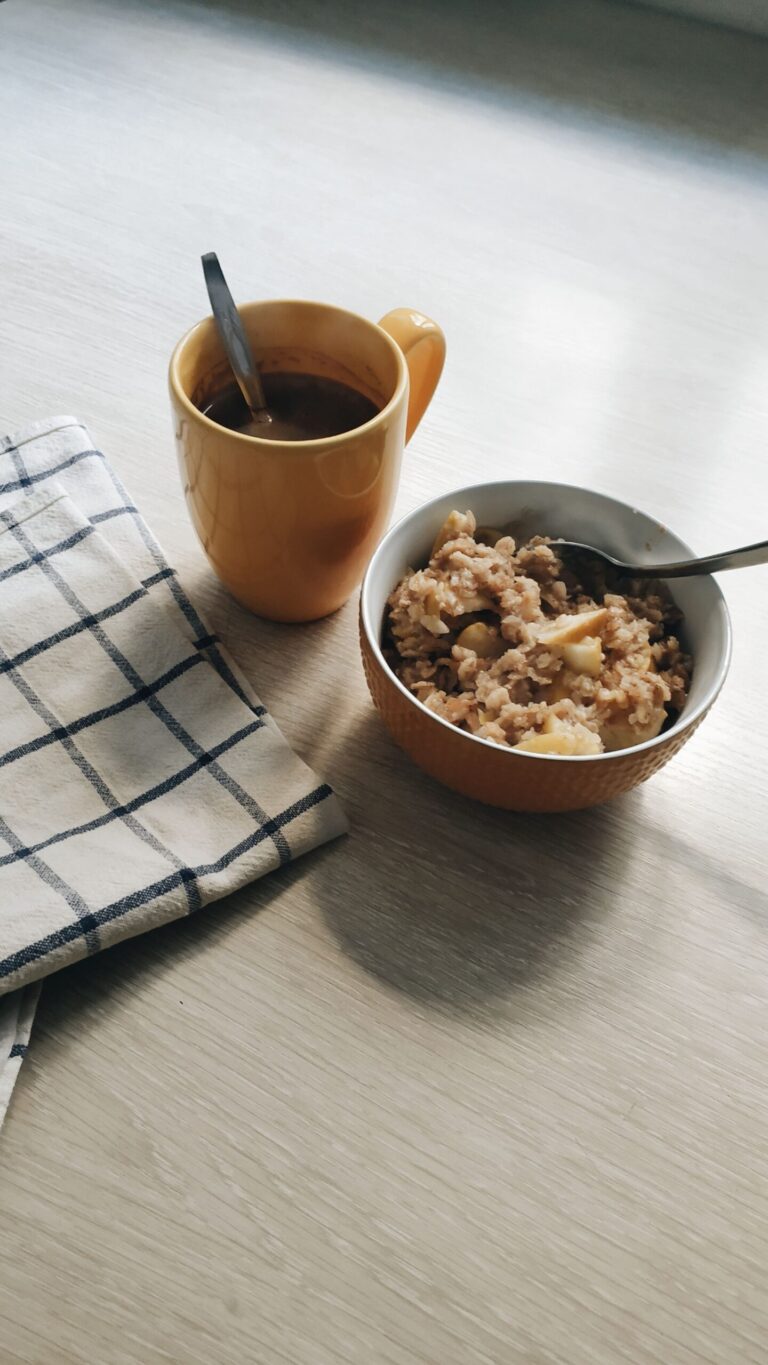
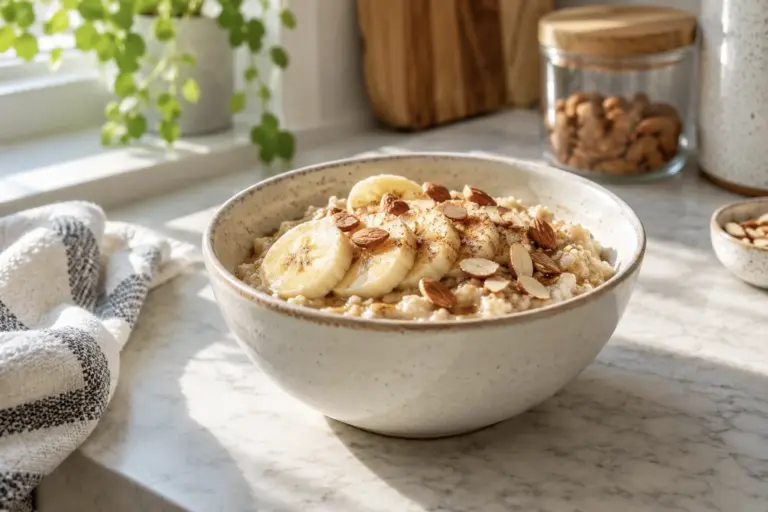
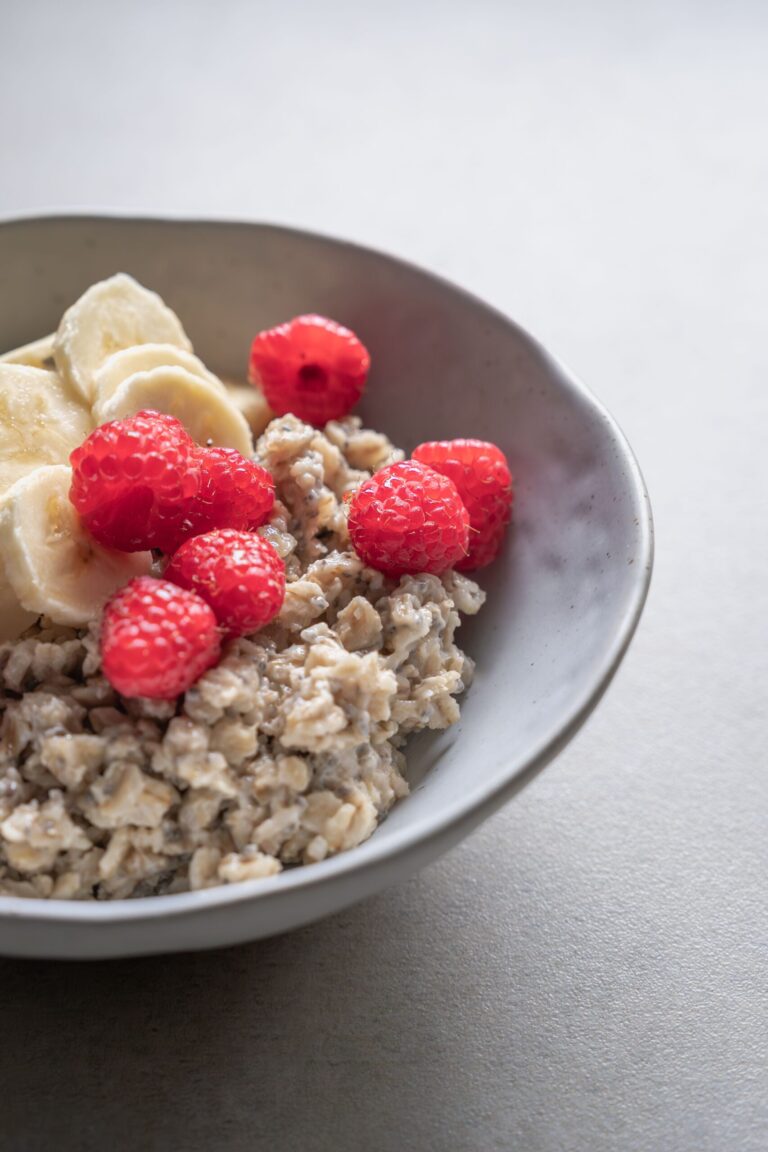
- Oatmeal, rice, and other whole grains
- Lean proteins like chicken breast, turkey, or fish, especially grilled or baked rather than fried
- Non-citrus fruits such as bananas, melon, and apples
- Vegetables, especially green ones like broccoli, green beans, and leafy greens
- Ginger, in moderate amounts, which many people find soothing rather than irritating
Why “food combining” gets mentioned so often
Beyond avoiding individual trigger foods, some reflux programs focus on how foods are combined within a meal rather than which foods are eaten at all. The idea has relatively little direct research behind it, but the practical effect (simpler, smaller, less rich meals) tends to help regardless of the theory behind it. We go through this approach specifically, including where the evidence is thinner, in what’s inside The Acid Reflux Strategy.
Building your own trigger list
Generic lists are a starting point, not a diagnosis. A simple food diary for a week or two (noting what you ate, roughly how much, and whether symptoms followed within a couple of hours) is usually more useful than any article, including this one. Look for patterns rather than single incidents, since one bad night after pizza and wine doesn’t tell you which ingredient was responsible.
FAQ
Is spicy food bad for acid reflux?
For most people, spicy food doesn’t relax the valve the way fatty food or mint does, but it can irritate an esophagus that’s already inflamed, so it often feels worse even if it isn’t the root cause.
Can I eat tomatoes if I have acid reflux?
Many people with reflux find tomato-based dishes trigger symptoms because of their acidity, but tolerance varies a lot: some people do fine with small amounts, especially cooked rather than raw.
Why does peppermint tea make reflux worse instead of better?
Mint is often assumed to be soothing for the stomach, but it’s one of the more reliable relaxers of the valve between the stomach and esophagus, which can make reflux more likely rather than less.
How long should I keep a food diary for reflux?
One to two weeks is usually enough to start spotting patterns, especially if you note both what you ate and roughly when symptoms showed up afterward.
Related: A 7-day acid reflux diet plan · Our review of a structured diet-and-habits program
Disclosure: Some links on this page lead to pages that contain affiliate links, and we may earn a commission at no extra cost to you. This article is general information, not medical advice. See our affiliate disclosure and medical disclaimer.