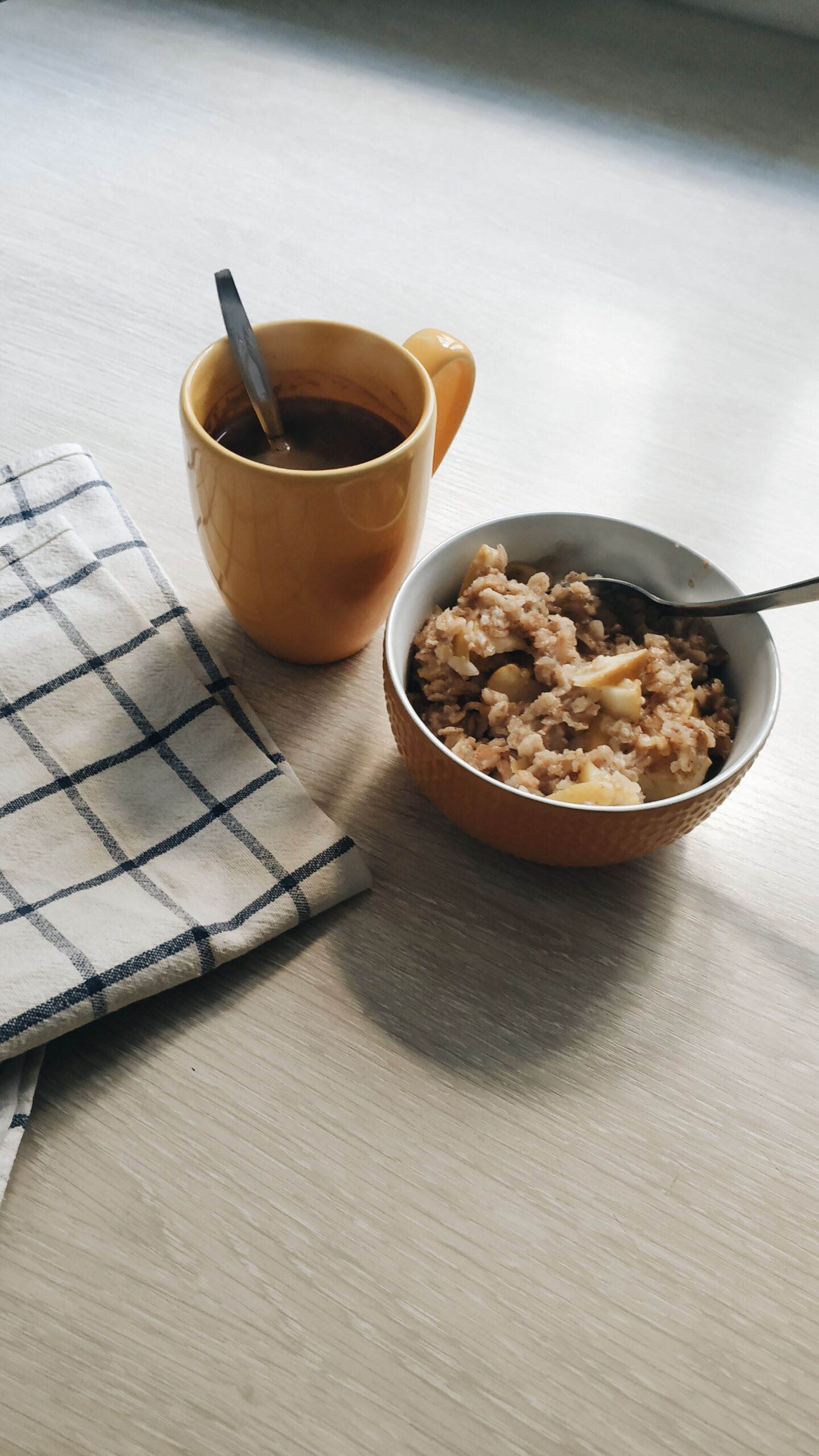
Can You Drink Coffee With Acid Reflux?
Coffee is one of the more commonly reported acid reflux triggers, and there’s a real mechanism behind it: caffeine can relax the valve between the stomach and esophagus, and coffee itself is acidic enough to irritate a sensitive esophagus on its own. That doesn’t mean everyone with reflux needs to give it up entirely: tolerance varies a lot, and a few adjustments to how and when you drink it make a real difference for many people.
Why coffee affects reflux
Some studies show caffeine can relax the lower esophageal sphincter, the valve that’s supposed to keep stomach contents from moving up into the esophagus. The research is mixed, though, and current medical guidelines don’t tell everyone with reflux to give up coffee: they suggest cutting back if it’s a clear trigger for you. On top of that, coffee has a naturally low pH, so even without the caffeine effect, it can directly irritate an esophagus that’s already inflamed from reflux. Some research also suggests coffee can increase stomach acid production, adding a third mechanism on top of the other two. We go through the valve mechanism generally in what causes acid reflux.
Does decaf help?
Partially. Decaf removes most of the caffeine-driven valve relaxation, which is useful, but it doesn’t change coffee’s acidity, so some people still notice symptoms from decaf, just less often or less intensely than with regular coffee. If decaf still bothers you, the acidity itself (not the caffeine) is likely the bigger factor for your particular case.
Ways to make coffee easier on reflux, without cutting it out
- Drink it with food, not on an empty stomach: food buffers some of the acidity and slows how quickly it hits your stomach
- Try a darker roast: some research suggests darker roasts are somewhat less acidic than lighter ones, though the difference is modest
- Cold brew instead of hot: many people find cold brew gentler, although lab measurements of its acidity compared with hot coffee are mixed, so it’s worth testing on yourself
- Cut back on volume rather than quitting outright: one cup instead of three often reduces symptoms meaningfully without requiring you to give it up entirely
- Avoid it late in the day: caffeine close to bedtime combines a reflux trigger with lying down soon after, a particularly bad combination
Is tea a safer alternative?
It depends on the tea. Black and green tea contain caffeine too, though generally less than coffee, and still carry some of the same valve-relaxing effect, just to a lesser degree. Herbal teas without caffeine are usually gentler, though mint-based teas are a specific exception worth avoiding: peppermint is a well-documented relaxer of the same valve, despite its reputation as soothing for the stomach.
When coffee isn’t the problem
If you’ve cut back on coffee significantly and symptoms haven’t improved much, it’s worth widening the search rather than continuing to sacrifice something you enjoy for little benefit. Late meals, large portions, alcohol, and lying down soon after eating are all common triggers that get overlooked when coffee takes the blame by default. We cover the fuller list in foods that trigger acid reflux.
FAQ
Does decaf coffee still cause acid reflux?
It can, though usually less than regular coffee, because decaf still contains the same acidity even without most of the caffeine.
Is cold brew coffee better for acid reflux than hot coffee?
Possibly. Many people find it gentler, but studies measuring cold brew’s acidity have given mixed results, so treat it as something to test for yourself rather than a guaranteed fix.
How much coffee is safe to drink with acid reflux?
There’s no universal safe amount; many people tolerate one cup, especially with food, better than several cups throughout the day, particularly on an empty stomach.
Is tea a better option than coffee for acid reflux?
Herbal, non-mint teas are often gentler, but black and green tea still contain some caffeine and can trigger symptoms for sensitive individuals, just usually less than coffee.
Related: A 7-day acid reflux diet plan · Our review of a structured diet-and-habits program
Disclosure: Some links on this page lead to pages that contain affiliate links, and we may earn a commission at no extra cost to you. This article is general information, not medical advice. See our affiliate disclosure and medical disclaimer.