Low-Acid Diet for Reflux: Foods That Fit and What the Evidence Says
Building a low-acid diet for reflux is a step beyond simply avoiding trigger foods one at a time: it means shaping meals around what’s gentle on the esophagus as a default, rather than reacting to symptoms after the fact. It won’t fix every case of reflux on its own, and the evidence for blanket “acid” food lists is limited: guidelines lean on meal size, timing, weight and your own triggers (see the acid reflux diet plan with a 7-day menu). Treat this page as a way to choose gentler foods, not a treatment.
What “low-acid” actually means in practice
A low-acid diet focuses on foods that are naturally less acidic and less likely to relax the valve behind reflux, covered in what causes acid reflux, or slow digestion in ways that make reflux more likely. It isn’t the same as a “bland” diet; the goal is choosing gentler versions of a normal, varied diet rather than eliminating flavor or entire food groups unnecessarily.
Foods that generally fit a low-acid pattern
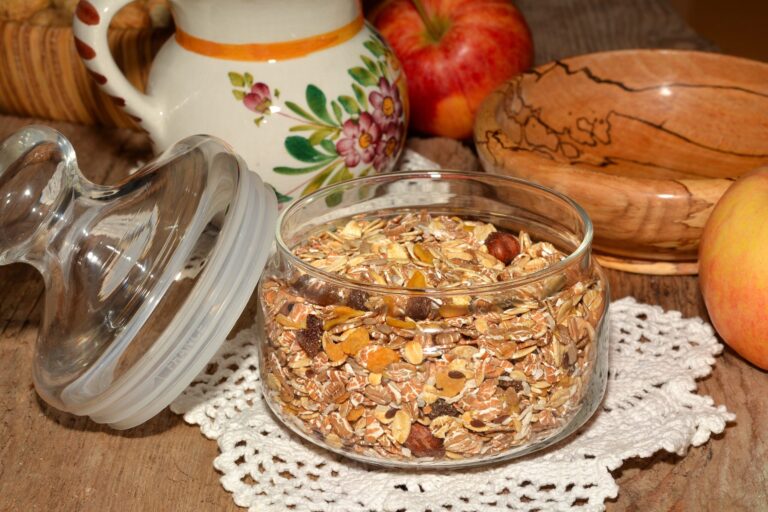
- Oatmeal, whole grains, and rice, which are filling without being heavy or acidic
- Lean proteins like chicken, turkey, fish, and eggs, prepared without heavy frying
- Melons, bananas, and other lower-acid fruits, as an alternative to more acidic options like citrus and tomatoes
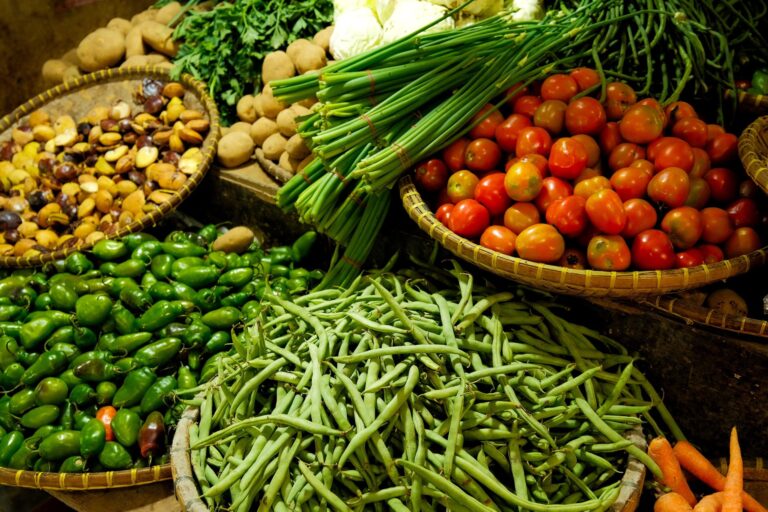
- Green vegetables such as green beans, broccoli, and leafy greens
- Ginger, in moderate amounts, which some people find gentle; we cover it in more depth in ginger for acid reflux
How meal structure matters as much as ingredients
Even a low-acid diet can cause reflux if meals are too large or eaten too close to bedtime. Smaller, more frequent meals put less pressure on the stomach than three large ones, and finishing eating at least two to three hours before lying down gives your stomach time to at least partly empty first. The way you build a meal matters almost as much as which foods are on the plate.
A simple day of low-acid eating
| Meal | Example |
|---|---|
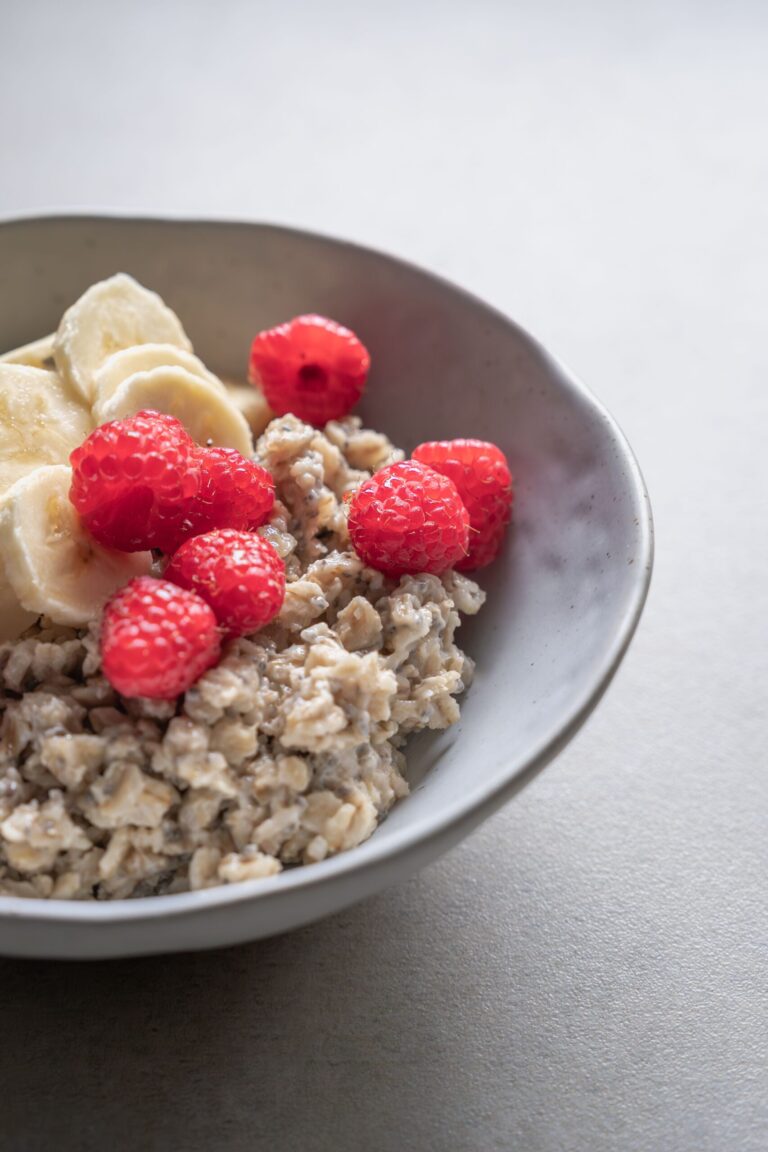
| Breakfast | Oatmeal with banana, small portion, not too close to lying back down |
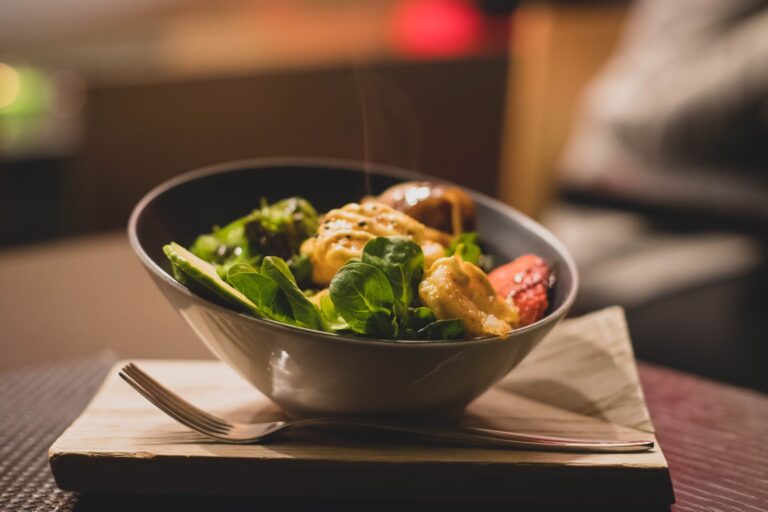
| Lunch | Grilled chicken, rice, steamed green vegetables |
| Snack | Melon or a handful of almonds |
| Dinner (earlier in the evening) | Baked fish, sweet potato, leafy greens |
When a diet alone isn’t quite enough
If you’ve already trimmed trigger foods and still have regular symptoms, see your doctor: the NHS advises seeing a GP if lifestyle changes and pharmacy medicines are not helping, or if you have heartburn most days (NHS). Some people also like a single structured written plan alongside medical advice; our Acid Reflux Strategy review explains what one such program includes and where its claims are overstated.
FAQ
Do I have to give up all acidic foods forever?
Not necessarily. Many people can reintroduce some acidic foods in moderation once symptoms are better controlled; a low-acid diet is often more of a reset than a permanent, total restriction.
How long before a low-acid diet shows results?
Two to four weeks of consistent changes is a fair test for most habits. Results vary; if symptoms persist, see your doctor.
Can a low-acid diet replace my reflux medication?
Not without your doctor’s guidance. Diet can help some people, but any change to prescribed medication should be a decision made with your doctor.
Is a low-acid diet the same as a low-FODMAP diet?
No, they target different things. A low-acid diet focuses on reflux triggers specifically, while low-FODMAP is generally aimed at other digestive conditions like IBS.
Disclosure: Some links on this page lead to pages that contain affiliate links, and we may earn a commission at no extra cost to you. This article is general information, not medical advice. Never change or stop a prescribed medicine without your doctor. See our affiliate disclosure and medical disclaimer.