Ginger for Acid Reflux
Ginger for acid reflux is one of the more commonly recommended natural remedies, and it has a somewhat better evidence base behind it than some of the folk remedies that circulate online, though it isn’t a guaranteed fix for everyone. It’s generally considered gentle, has a long history of traditional use for digestive complaints, and is easy to work into a diet in a few different forms.
Why ginger is thought to help
Ginger is traditionally used for nausea and general digestive discomfort, and some smaller studies suggest it may help speed up stomach emptying, which could reduce the amount of time food and acid sit in the stomach where they can reflux upward. It’s also generally considered to have mild anti-inflammatory properties, though the research specifically on ginger and reflux (as opposed to nausea or general digestion) is still fairly limited compared with better-studied lifestyle changes like weight management or meal timing.
Forms of ginger people use for reflux
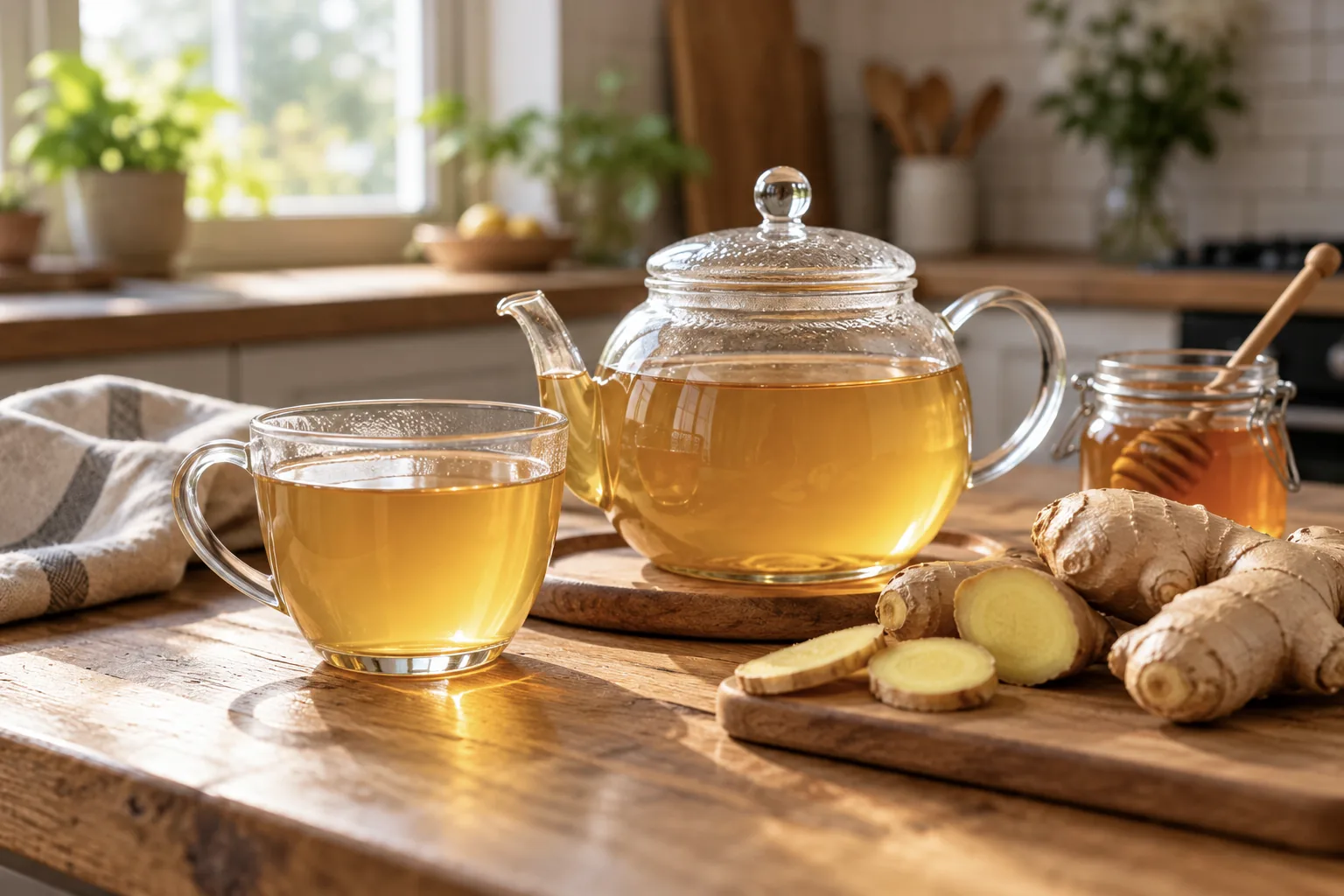
- Fresh ginger tea, made by steeping thin slices of fresh ginger root in hot water, is one of the most commonly recommended forms
- Ginger capsules or supplements, which offer a more consistent dose but should be checked with a pharmacist for interactions with any medications you take
- Crystallized or candied ginger, though the added sugar can be a trigger in its own right for some people, partly offsetting the benefit
- Ginger added to cooking, a lower-dose, food-based way to include it regularly without treating it as a supplement
How it compares with other natural remedies
Ginger is often mentioned alongside other home remedies like apple cider vinegar, which we cover in detail in apple cider vinegar for reflux. The two work through different, largely unproven mechanisms, and neither has strong evidence of reliably fixing reflux on its own. For a broader look at how various natural options stack up, including which ones have more support than others, see our overview of natural remedies for acid reflux.
Who should be cautious with ginger
Ginger can interact with blood-thinning medications and may not be advisable in large amounts for people with certain gallbladder conditions. Pregnant readers should check with a midwife or doctor before using ginger supplements regularly, even though small culinary amounts are generally considered fine. This kind of individual review is one reason we’re cautious about treating any single herb, including the herbs mentioned as part of the home remedy in our breakdown of what’s inside The Acid Reflux Strategy, as a universal fix rather than something to try carefully and adjust based on your own response.
Realistic expectations
Ginger is a reasonable, low-risk thing to try for mild, occasional reflux, particularly if nausea is part of your symptom picture, but it isn’t a substitute for addressing bigger contributors like trigger foods, meal timing, or excess weight if those apply to you. Think of it as one small tool among several rather than a standalone treatment.
FAQ
Does ginger tea help acid reflux right away?
Some people notice mild relief within a short time, but response varies, and ginger works better as a gentle, ongoing habit than a rescue remedy for an acute flare.
Can too much ginger make acid reflux worse?
Yes, in larger amounts ginger can itself cause heartburn or stomach upset in some people, which is why starting small is a good approach.
Is ginger safe to take with reflux medication?
Generally yes for most people, but check with a pharmacist or doctor, especially if you’re on blood thinners or other medications ginger can interact with.
Is fresh ginger better than ginger supplements for reflux?
Neither is clearly superior; fresh ginger gives you more control over the amount, while supplements offer a more consistent dose. Personal tolerance matters more than the form.
Related: chamomile tea for acid reflux: what the evidence says
Disclosure: Some links on this page lead to pages that contain affiliate links, and we may earn a commission at no extra cost to you. This article is general information, not medical advice. Never change or stop a prescribed medicine without your doctor. See our affiliate disclosure and medical disclaimer.