Chamomile Tea for Acid Reflux: Does It Help?
- The evidence that chamomile tea eases reflux is thin; no source we read shows it works for GERD.
- Chamomile is generally considered safe in food amounts, but allergy (ragweed and daisy family) and a warfarin interaction are documented.
- Little is known about chamomile in pregnancy or breastfeeding, so ask your clinician first.
- A large mug right before lying down can work against you, because a full stomach at bedtime is a common reflux trigger.
- Better-supported steps are smaller meals, finishing eating 3 to 4 hours before bed, and avoiding your own trigger foods.
What the evidence says
Chamomile is among the most searched herbal teas for heartburn, so it is fair to ask what research backs it. The honest answer is that we did not find trials showing chamomile tea reduces acid reflux or GERD symptoms. The US National Center for Complementary and Integrative Health (NCCIH) lists indigestion as a common traditional use of chamomile but does not describe good evidence supporting it, and it states that chamomile alone has not been shown to help conditions such as infant colic or childhood diarrhea. Studies that exist often test chamomile combined with other herbs, which makes it impossible to say chamomile itself did anything.
That does not mean a cup of chamomile is harmful or pointless for everyone. It means that when you read that chamomile “soothes the stomach” or “calms acid,” the claim rests on tradition and small or mixed studies, not on reflux trials. We would rather say that plainly than promise a benefit we cannot support.
Why people try it, and what the book says
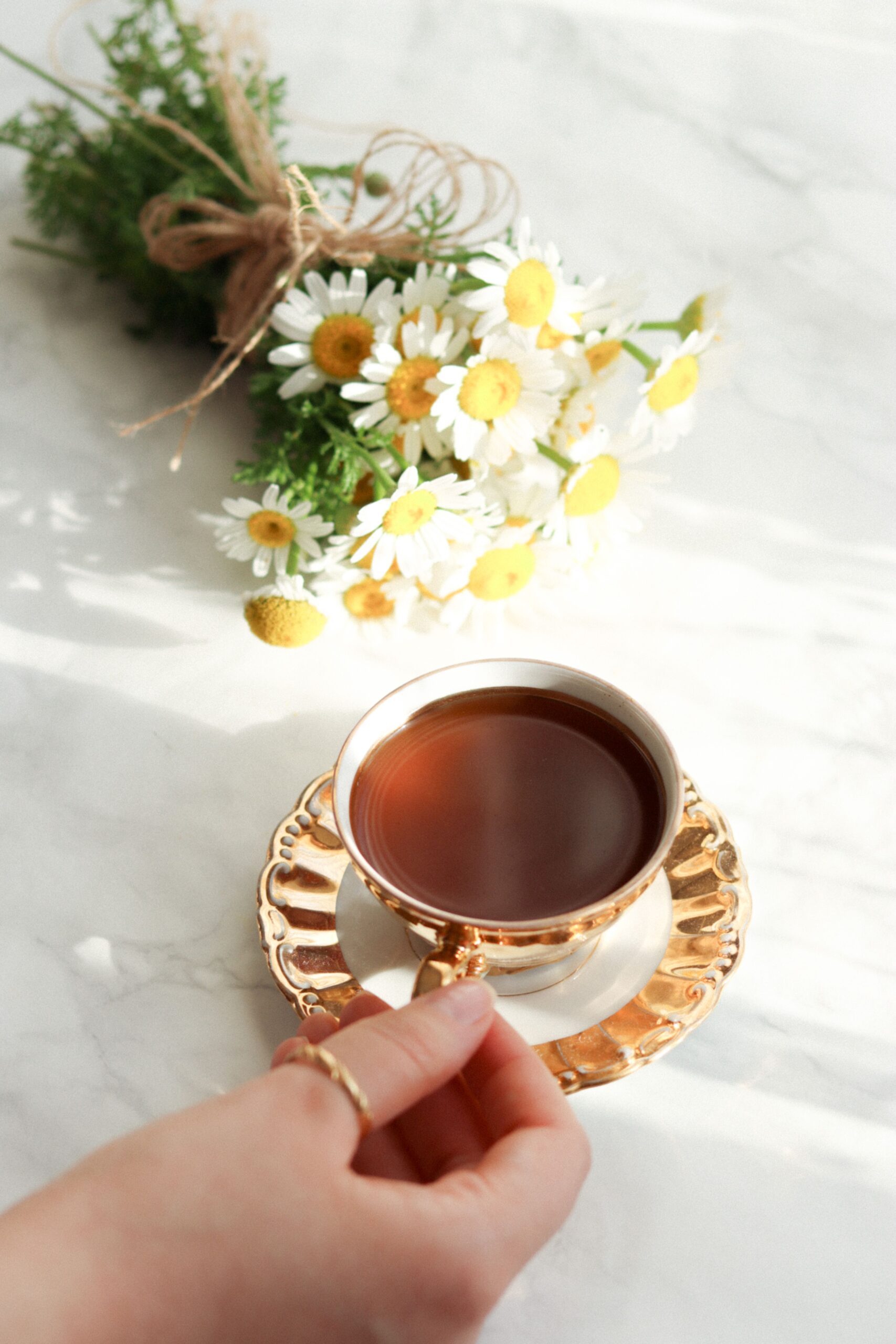
Chamomile has a long history as a bedtime and after-dinner tea. Its appeal for reflux is mostly indirect: it contains no caffeine, and caffeinated drinks such as coffee are on the list of foods and drinks commonly linked to GERD symptoms by the US National Institute of Diabetes and Digestive and Kidney Diseases (NIDDK). Swapping a coffee or a sugary soda for a mild herbal tea removes a possible trigger. Any relief someone feels may come from that swap, from sitting down to a calm routine, or from warmth, rather than from a property of the plant.
We read the member copy of The Acid Reflux Strategy that the publisher gave us free for review. We did not buy it and have not followed it. We mention it only to say what it claims and to check that claim against public medical sources. Its list of herbal remedies includes chamomile, alongside a number of other items, as a gentle option for reflux. The book gives no scientific references for this, and we could not find independent support for it. Treat that suggestion the same way you would treat a friend’s tip: reasonable to try if you are safe to, not a medical finding.
What a cup of tea can and cannot do
Think through what actually happens when you drink a mug of tea in the evening.
- Volume. A large drink adds to what is in your stomach. The NHS advises against eating within 3 or 4 hours of bed, and NIDDK says finishing meals at least 3 hours before lying down may improve symptoms. A big mug just before you lie down may undo some of that.
- Temperature. Very hot drinks can irritate the throat for some people. Letting a cup cool a little is a sensible, no-cost precaution.
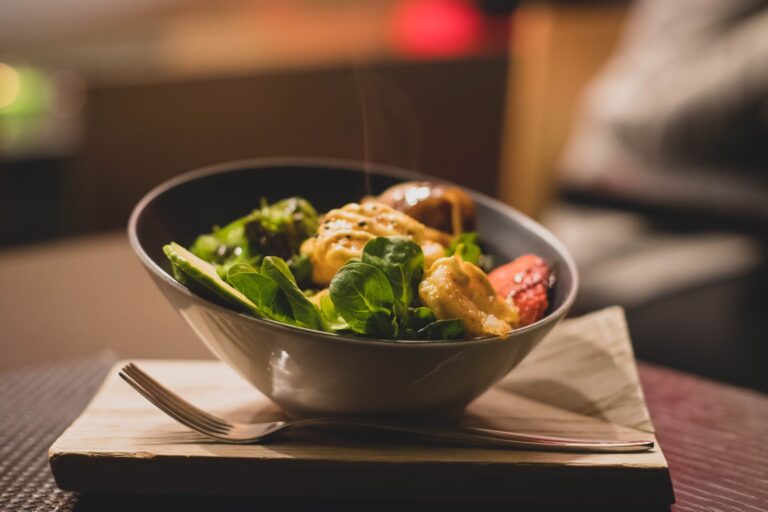
- Add-ins. Honey, sugar, lemon or milk change the picture. Lemon is acidic and citrus is on the NIDDK list of commonly linked foods. Honey adds sugar and is not a neutral add-in.
- Blends. Many “digestive” or “calming” tea bags mix chamomile with mint, licorice or fennel. Mint in particular is listed by NIDDK as commonly linked to GERD symptoms. Read the ingredient label, and choose plain chamomile if you want to test it fairly.
- The ritual. A calm evening routine can make it easier to avoid late snacks. That may be a real benefit, but it is a behavior effect, not a pharmacological one.
Chamomile will not neutralize acid, strengthen the valve between the esophagus and stomach, or replace medicine your doctor has prescribed.
Who should avoid it or ask first
Herbal does not mean risk-free. NCCIH describes several points that matter for ordinary tea drinkers:
- Allergy. People allergic to plants in the daisy family, including ragweed, chrysanthemums, marigolds and daisies, are more likely to react to chamomile. Reactions can include rashes and, rarely, severe allergic reactions (anaphylaxis).
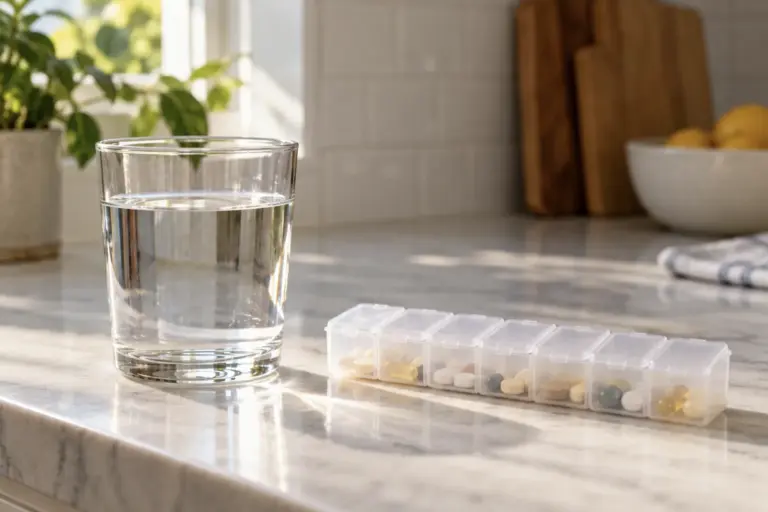
- Warfarin and other medicines. NCCIH reports an interaction between chamomile and the blood thinner warfarin, and advises talking to a health care provider before using chamomile if you take any medicine. If you take a blood thinner, do not start a new herbal habit without your prescriber or pharmacist.
- Pregnancy and breastfeeding. NCCIH says little is known about the safety of chamomile in pregnancy or while breastfeeding. Pregnancy reflux is common; see acid reflux during pregnancy and heartburn medicine in pregnancy, and ask your midwife or doctor.
- Concentrated products. Capsules, extracts and essential oils are not the same as tea. Do not swallow essential oils, and talk to your clinician and pharmacist before any supplement form.
We give no dosing guidance, because a safe amount depends on your health, your medicines and the product.
How chamomile compares with other herbal teas
If you want a caffeine-free evening drink, several options exist. None has strong reflux trial support in the sources we read, so this table is about caution, not benefit.
| Tea | Caffeine | Main thing to know |
|---|---|---|
| Chamomile | None | Allergy in ragweed/daisy-family allergic people; warfarin interaction; limited reflux evidence |
| Ginger | None | Mixed, limited evidence; large amounts can upset the stomach and ginger may interact with blood thinners. See ginger for acid reflux |
| Peppermint or spearmint | None | Mint is on the NIDDK list of foods commonly linked to GERD symptoms; some people find it makes heartburn worse |
| Fennel or dandelion | None | Little reflux research; ask your pharmacist if you take medicines or are pregnant |
| Licorice-root blends | None | Products vary widely (whole licorice vs deglycyrrhizinated). Ask before using; see our supplements guide |
| Plain warm water | None | No ingredients to react to; the simplest control if you want to test whether the tea itself matters |
If you decide to try it: a careful approach
If you are not in a group that should avoid it and your clinician has no objection, a cautious approach is to treat the tea as a small experiment rather than a treatment.
- Pick a plain, single-ingredient chamomile product from a reputable source and check the label for other herbs.
- Change one thing at a time. If you start tea and change dinner timing the same week, you will not know which made a difference.
- Keep a short symptom diary for two weeks: what you ate, when, what you drank, and how you felt. This is also useful to bring to a doctor.
- Drink it earlier in the evening and in a modest cup, not right before lying down.
- Stop and speak to a clinician if you notice rash, itching, swelling, wheezing or worsening symptoms.
What has better support than a tea
The habits with the clearest public guidance are not exciting, but they are what the NHS and NIDDK repeat: eating smaller meals, not eating within 3 or 4 hours of bed, avoiding foods that personally trigger you, not smoking, limiting alcohol, losing weight if you are overweight, and raising the head of the bed with blocks rather than extra pillows. Our guides to trigger foods, sleeping position and the natural remedies that have support and those that do not go deeper. If you have heartburn most days, medicine such as antacids, H2 blockers or PPIs may be appropriate; see antacids vs H2 blockers vs PPIs, and discuss it with your doctor.
A tea can fit into that plan as a pleasant replacement for a trigger drink. It should not delay seeing a doctor if your symptoms are frequent or changing.
Questions to ask your doctor or pharmacist
- I have heartburn several times a week. Should I be evaluated rather than managing it with teas?
- I take warfarin or another blood thinner. Is chamomile tea safe for me?
- I have a ragweed or pollen allergy. Should I avoid chamomile?
- I am pregnant or breastfeeding. Is chamomile tea, in any form, appropriate?
- Could any of my regular medicines (for example for blood pressure or pain) be contributing to my reflux?
FAQ
Does chamomile tea help acid reflux?
We found no trials showing that it does. It is caffeine-free and may replace a trigger drink, but good evidence that chamomile itself eases reflux is lacking.
Is chamomile tea safe to drink every day?
NCCIH describes chamomile as likely safe in food amounts for most people, but it can cause allergic reactions and interact with warfarin. Ask a pharmacist or doctor if you take medicines or have allergies.
Can I drink chamomile tea before bed if I have reflux?
A modest cup earlier in the evening is less likely to cause trouble than a large mug right before lying down, because a full stomach at bedtime is a common trigger. Finish drinks and meals a few hours before bed where you can.
Is chamomile tea safe in pregnancy?
NCCIH says little is known about chamomile in pregnancy or breastfeeding. Ask your midwife or doctor before using it regularly.
Is chamomile better than peppermint tea for reflux?
Neither has strong reflux trial support in what we read. Mint is on the NIDDK list of foods commonly linked to GERD symptoms, so some people find peppermint tea makes heartburn worse; plain chamomile avoids that particular issue.
Sources
- NCCIH: Chamomile
- NIDDK: Eating, diet and nutrition for GER and GERD
- NHS: Heartburn and acid reflux
- NIDDK: Symptoms and causes of GER and GERD
Medical disclaimer: this article is general information for adults, not medical advice, diagnosis or treatment, and it was not written by a doctor. It does not replace your own clinician. Last reviewed 20 Oct 2026. Some pages we link to contain affiliate links; we may earn a commission at no extra cost to you. See our affiliate disclosure, medical disclaimer and editorial policy.