Best Foods to Soothe Acid Reflux
Foods that soothe acid reflux tend to share a few traits: low acidity, low fat, and gentle on an already-irritated esophagus. None of them are a cure, and none work the way a medication does, but building meals around this list, rather than just avoiding trigger foods, tends to leave people with more to eat rather than a diet defined by what’s off-limits.
Whole grains and starches
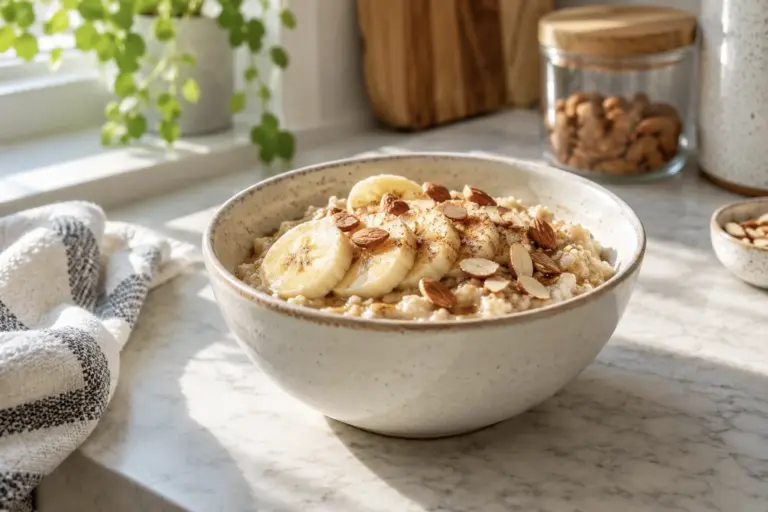
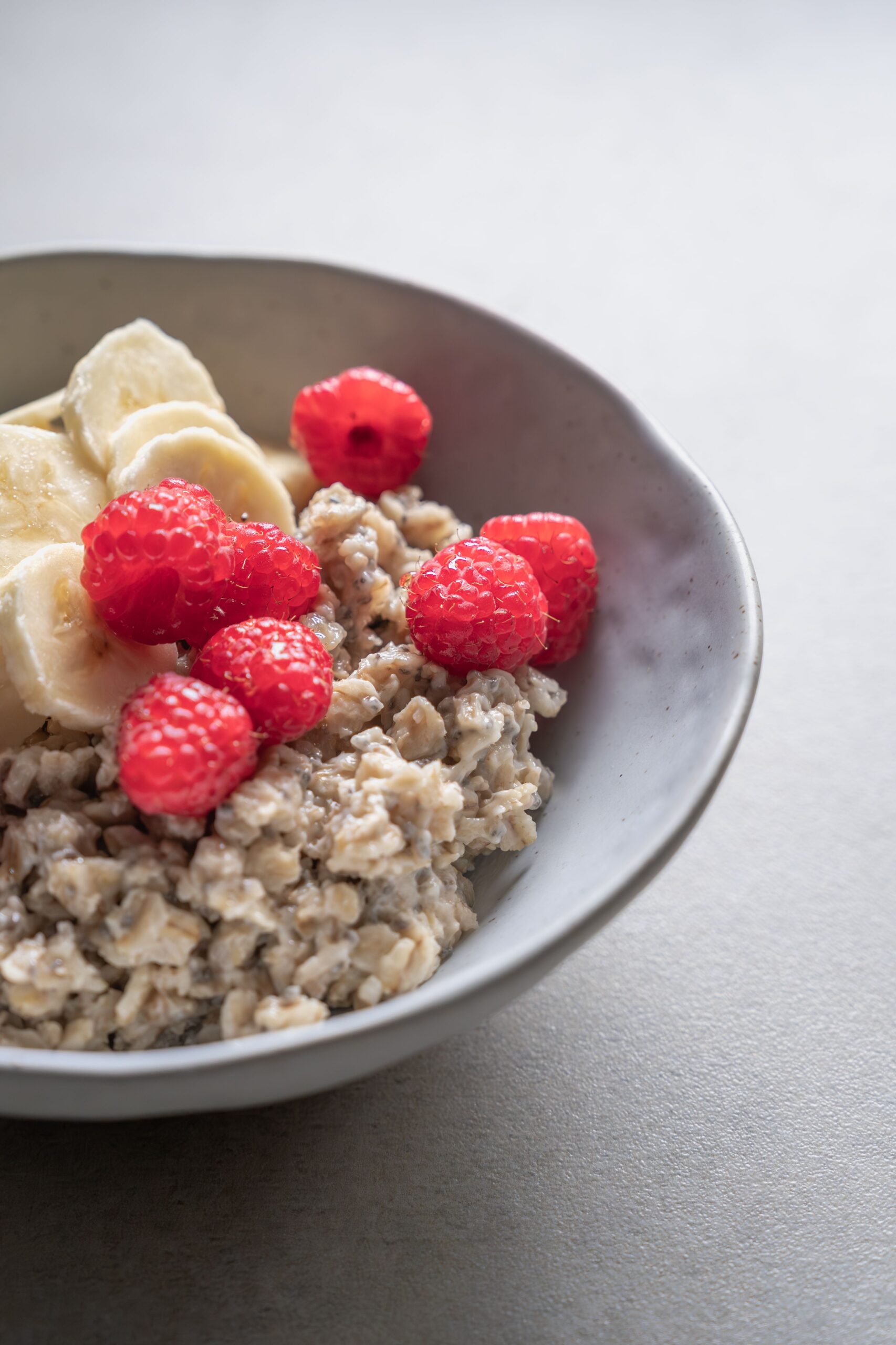
Oatmeal, brown rice, and whole-grain bread are gentle, filling, and low in fat, which helps on two fronts: they’re less likely to sit heavily in the stomach, and they can help absorb some stomach acid, easing discomfort for some people. Oatmeal in particular is a common breakfast recommendation for reflux, partly because it’s easy to make bland and low-fat.
Lean proteins
- Chicken and turkey breast, skinless and grilled or baked rather than fried
- Fish, particularly baked or grilled rather than battered
- Egg whites, which are lower in fat than whole eggs and generally well tolerated
- Legumes like lentils and chickpeas, in moderate portions, for people who tolerate them well
The common thread is preparation as much as the protein itself: frying or heavy sauces can turn an otherwise gentle protein into a trigger, so how it’s cooked often matters more than which meat it is.
Non-citrus fruits
| Generally gentle | Often triggers |
|---|---|
| Bananas, melon, apples, pears | Oranges, lemons, grapefruit, pineapple |
| Low-acid, easy on the stomach | High-acid, can irritate an inflamed esophagus |
Bananas in particular come up often on reflux-friendly lists: they’re low in acid and some people find them soothing, though the evidence for a specific therapeutic effect is more anecdotal than clinical.
Vegetables
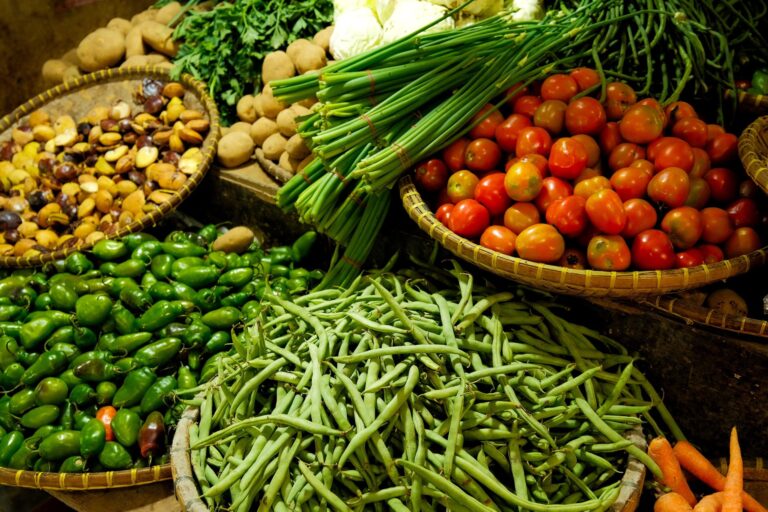
Green vegetables (broccoli, green beans, leafy greens, cucumber) are generally low in fat and acid, making them one of the safer categories overall. Root vegetables like potatoes and carrots are also usually well tolerated, especially prepared simply rather than fried or heavily seasoned. Tomatoes and tomato-based sauces are the notable exception in the vegetable category, since their acidity makes them a common trigger despite being nutritionally excellent.
Ginger, in moderation
Ginger has more general digestive-comfort research behind it than most single foods on a reflux list, and many people find it settling rather than irritating, whether in tea, added to meals, or eaten in small amounts on its own. We go through it alongside other remedies, including where the evidence is weaker, in natural remedies for acid reflux.
Portion size still matters more than any single food
Even a perfectly reflux-friendly meal can cause trouble if the portion is large enough to stretch the stomach and increase the odds of the valve relaxing at the wrong time. Smaller, more frequent meals tend to outperform trying to eat “safe” foods in large quantities, which is a detail that’s easy to miss when focused only on ingredient lists.
FAQ
Are bananas good for acid reflux?
Many people find them soothing because they’re low in acid, though the evidence for a specific therapeutic effect is mostly anecdotal rather than from clinical trials.
Can I eat rice and pasta with acid reflux?
Yes, plain rice and pasta are generally well tolerated; it’s often the sauce or preparation, like a heavy cream or tomato-based sauce, that turns them into a trigger.
Is oatmeal good for acid reflux?
Yes, it’s a commonly recommended option because it’s low in fat, filling, and gentle on the stomach, especially prepared plain or with mild toppings.
What vegetables should I avoid with acid reflux?
Tomatoes and tomato-based sauces are the main exception in an otherwise low-risk category, due to their acidity, though tolerance varies by person.
Related: A 7-day acid reflux diet plan
Disclosure: Some links on this page lead to pages that contain affiliate links, and we may earn a commission at no extra cost to you. This article is general information, not medical advice. See our affiliate disclosure and medical disclaimer.