Is Sparkling Water Bad for Acid Reflux?
- Evidence on carbonated drinks and reflux is mixed; reviews do not give a firm yes or no.
- Bubbles may expand the stomach and trigger burping, which can push acid up in some people.
- Citrus flavors, sugary sodas and caffeine add their own triggers.
- Test plain sparkling water on its own, with a meal, and note symptoms.
- Frequent heartburn needs evaluation regardless of what you drink.
The short version
People are often told to avoid bubbles if they have reflux. The advice makes intuitive sense: gas in the stomach may stretch it and cause burping, and burping can bring acid up with it. But what happens in a laboratory with carbonated drinks and the valve at the bottom of the esophagus is not consistent across studies, and plain sparkling water is not the same as a cola.
What studies show
A systematic review of carbonated beverages and GERD exists, and secondary summaries of research conflict. Some studies in healthy volunteers found that carbonated drinks lowered sphincter pressure and increased episodes of the valve relaxing, while others comparing chilled water with a sweetened carbonated drink found no change in upper digestive physiology. We were able to read only secondary summaries, not the full texts, so we do not give exact numbers. Overall, the evidence is inconclusive: there are plausible reasons carbonation might bother some people, but no strong proof that it causes reflux in others.
Importantly, many studies tested sweetened soda, which differs from plain sparkling water because of sugar, acids and sometimes caffeine.
What actually differs between drinks
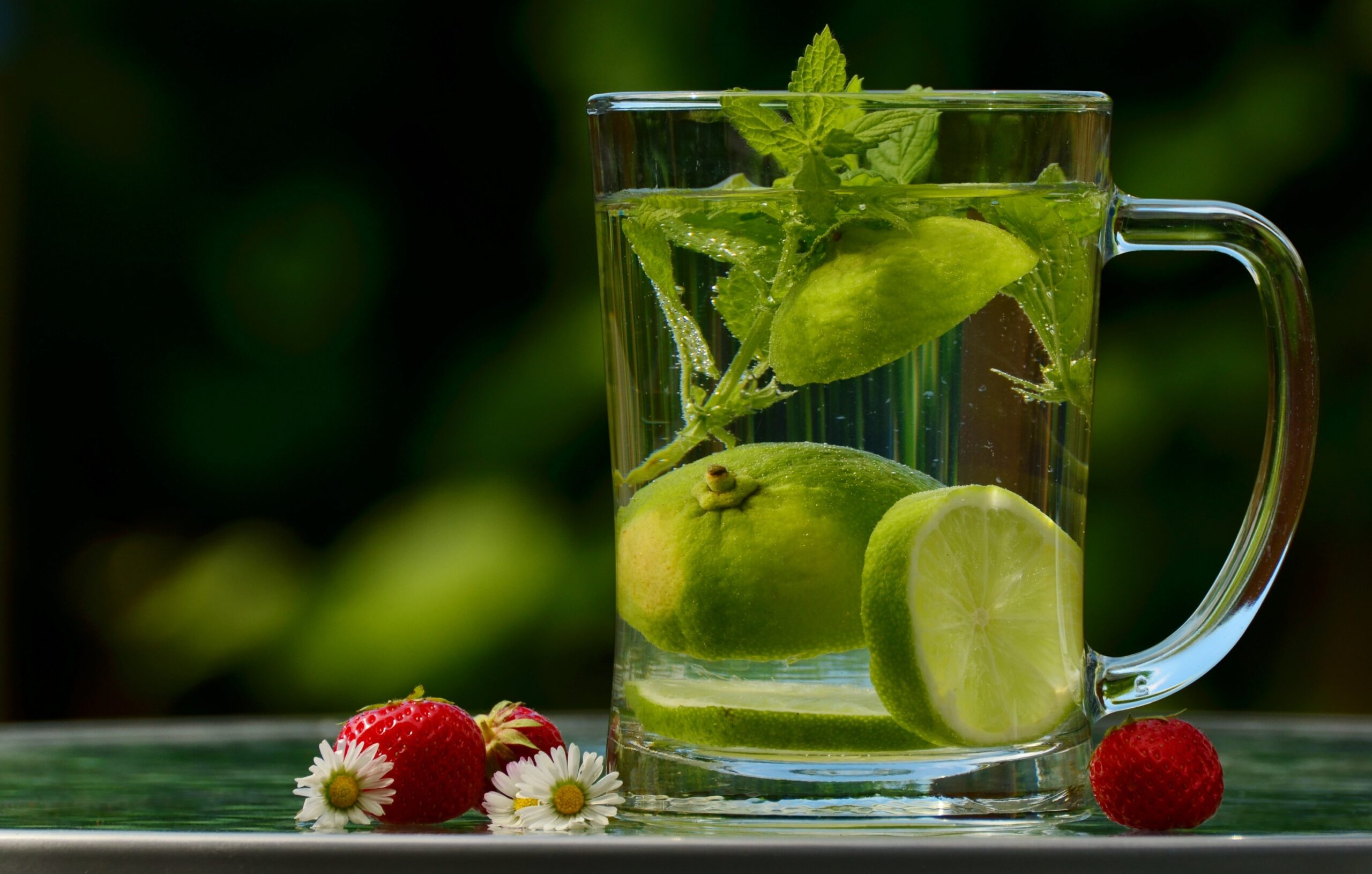
- Plain sparkling water or seltzer: carbonation without sugar or caffeine. Mildly acidic because of dissolved carbon dioxide.
- Flavored sparkling water: often adds citrus acids. NIDDK lists acidic foods such as citrus among common triggers.
- Soda: carbonation plus sugar or sweeteners, acids and sometimes caffeine, which NIDDK also lists.
- Tonic and mixers: sugar and sometimes alcohol, another listed trigger.
If a drink bothers you, work out which ingredient is the likely cause before blaming bubbles alone.
Why burping matters
Reflux is not only about acid; gas can play a part too. When the stomach is stretched by swallowed air or carbonation, it can trigger transient relaxations of the valve at the bottom of the esophagus, which is the usual route for reflux of stomach contents. Burping is partly a way to release that gas. If you notice that heartburn comes right after a big burp, carbonation or swallowed air may be involved for you. People who gulp drinks, chew gum constantly, talk while eating or drink through straws may swallow more air. Slowing down and sipping is a free, low-risk adjustment.
Frequent belching can also have causes unrelated to what you drink. If you burp a lot, feel bloated or notice a change in your digestion, mention it to your clinician.
The book is inconsistent
We read the member copy of The Acid Reflux Strategy that the publisher gave us free for review. We did not buy it and have not followed it. We mention it only to say what it claims and to check that claim against public medical sources. It advises avoiding fizzy drinks in one chapter but includes mineral water on a list of safe drinks in another. That kind of inconsistency is common in lists that are copied from other sources, and it is a reminder to test drinks yourself rather than follow a list. See our review for more on how the book compares with guidance.
How to test your own tolerance
- Pick plain sparkling water with no flavoring.
- Try a small glass with a meal rather than on an empty stomach or right before lying down.
- Compare with flat water on another day.
- Note burping, bloating and heartburn for a few hours.
- If symptoms are worse with the bubbles, choose still water. If not, you may not need to avoid it.
Other fizzy products and mixed drinks
Many bubbly products are not plain sparkling water. Kombucha is fizzy and acidic. Energy drinks combine carbonation with caffeine and sugar, and caffeine is on the NIDDK list. Tonic water and mixers contain sugar, and cocktails add alcohol, another listed trigger. Beer is carbonated and contains alcohol. If you are checking whether bubbles are the issue, test one thing at a time, using plain sparkling water as your reference, and keep the other drinks separate in your notes. See alcohol and acid reflux and coffee and acid reflux for related triggers.
Swaps and habits
Still water, room-temperature water, and caffeine-free herbal teas you tolerate are common alternatives. Drinking slowly and not gulping reduces swallowed air. Large volumes right before bed can also matter regardless of fizz; the NHS advises not eating within 3 or 4 hours of bed. See coffee and acid reflux, alcohol and acid reflux and foods that trigger acid reflux. Because fizzy and flavored drinks are acidic, also look after your teeth: acid reflux and tooth erosion.
When the bubbles are not the problem
If you stop fizzy drinks and heartburn continues, the cause may lie elsewhere. NIDDK lists a weak or relaxing valve, excess weight, pregnancy, smoking, certain medicines and hiatal hernia among causes and risk factors. Meal size and timing matter too: the NHS advises not eating within 3 or 4 hours of bed. Heartburn most days, or symptoms that do not improve with lifestyle changes and pharmacy medicines, are reasons to see a doctor, who can discuss options and tests. Do not stop prescribed medicine because of a change in drinks; the NHS says to speak to a doctor first.
Questions to ask your doctor or pharmacist
- Should I avoid carbonated drinks given my symptoms?
- Could my frequent burping or bloating be a separate problem?
- Do I need evaluation for heartburn that happens most days?
- How can I protect my teeth if I drink acidic or fizzy drinks?
- Are any of my medicines affecting my symptoms?
FAQ
Is sparkling water bad for acid reflux?
Evidence is mixed. Some people find bubbles worsen heartburn or burping; others tolerate plain sparkling water well.
Is seltzer better than soda for reflux?
Plain seltzer lacks sugar and caffeine, so it may be better tolerated, but individual responses vary.
Can carbonated water cause heartburn?
It may in some people, especially with citrus flavors or a full stomach, but studies do not give a firm answer.
What should I drink with acid reflux?
Still water and caffeine-free herbal teas you tolerate are common choices. Use a diary to find what suits you.
Does sparkling water erode teeth?
Plain sparkling water is only mildly acidic, but flavored and sugary versions are more acidic. Rinse with plain water and talk to your dentist.
Sources
- Johnson T et al. Systematic review: the effects of carbonated beverages on GERD (Aliment Pharmacol Ther 2010), PubMed search
- NIDDK: Eating, diet and nutrition for GER and GERD
- NHS: Heartburn and acid reflux
- ACG Clinical Guideline for the Diagnosis and Management of GERD (Katz et al., Am J Gastroenterol 2022)
Medical disclaimer: this article is general information for adults, not medical advice, diagnosis or treatment, and it was not written by a doctor. It does not replace your own clinician. Last reviewed 20 Oct 2026. Some pages we link to contain affiliate links; we may earn a commission at no extra cost to you. See our affiliate disclosure, medical disclaimer and editorial policy.