Alcohol and Acid Reflux
Alcohol and acid reflux have a well-documented, direct relationship: drinking, especially in larger amounts or close to bedtime, is one of the more reliable triggers people notice once they start paying attention. It isn’t just the alcohol itself; what you drink, how much, and when all change how much it affects your symptoms that night and the next morning.
Why alcohol triggers reflux
Alcohol relaxes the lower esophageal sphincter, the same valve discussed in what causes acid reflux, making it easier for stomach contents to move upward. It can also increase stomach acid production and slow down how quickly the stomach empties, so food and acid sit there longer than usual. Layer in a late meal, a full stomach, and lying down within a couple of hours of your last drink, and you’ve stacked several reflux triggers on top of each other at once.
Does the type of alcohol matter?
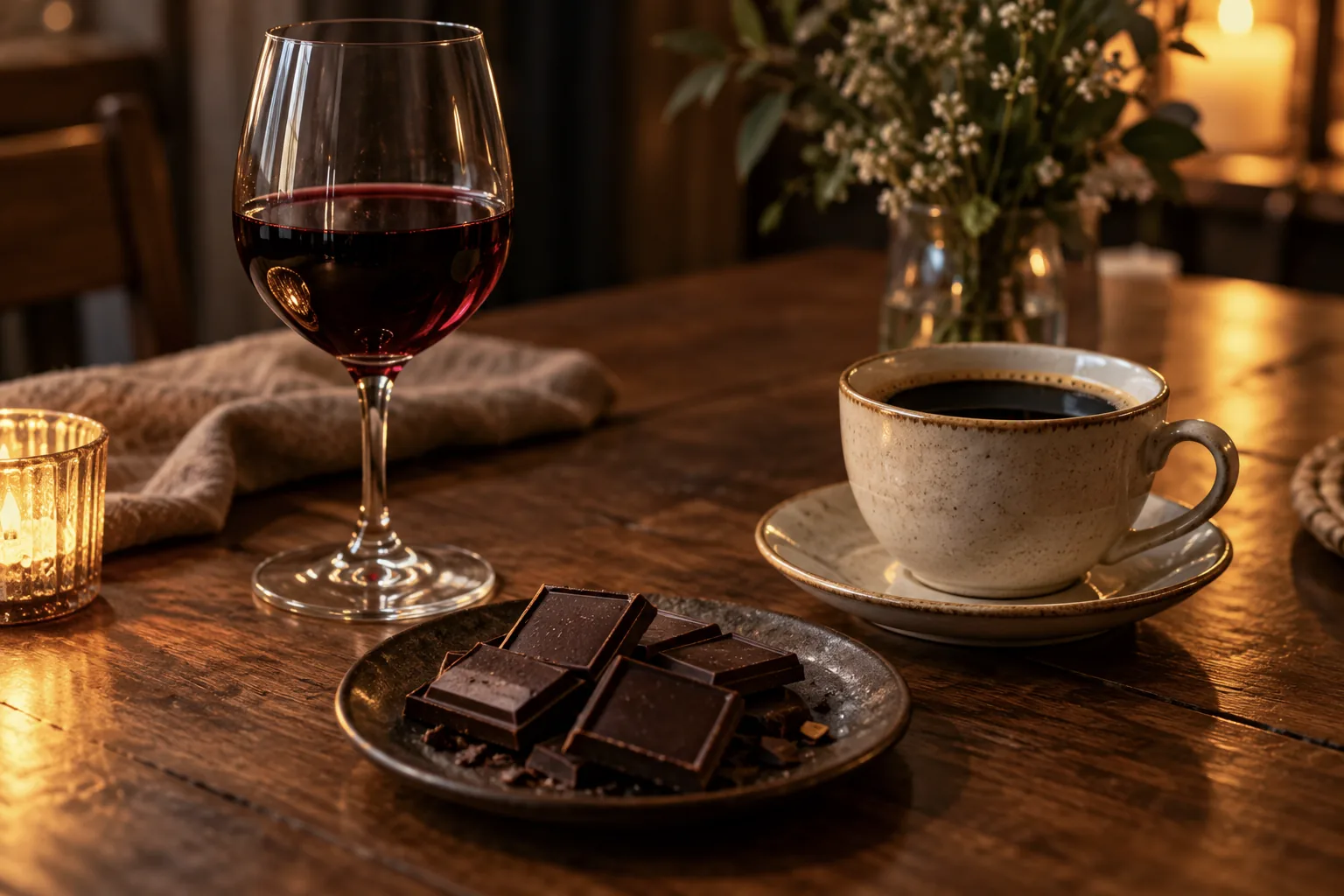
- Wine, especially white wine, tends to be more acidic than beer or spirits, which can add to the irritation on top of the sphincter-relaxing effect
- Beer is carbonated, and the bubbles can cause bloating that adds pressure on the stomach, on top of alcohol’s usual effect
- Mixed drinks with citrus juice or carbonated mixers combine two separate triggers, acid and carbonation, with the alcohol itself
- Spirits taken neat tend to bother some people less in terms of volume, though the alcohol content itself is still doing the same thing to the valve
Timing matters as much as quantity
Drinking earlier in the evening, well before bed, gives your stomach more time to empty before you lie down, which is one of the same principles behind the best sleeping position for reflux. A drink with dinner at 7pm tends to be far less of a problem than the same drink at 11pm right before sleep, even if the total amount is identical.
If you don’t want to cut it out completely
For people who’d rather adjust than eliminate alcohol entirely, a few changes tend to help more than cutting the amount alone: finishing your last drink at least three hours before bed, choosing less acidic and less carbonated options, avoiding drinking on an empty stomach, and pairing alcohol with food rather than sipping through an evening without eating. If symptoms still flare, having a fast-acting antacid on hand for occasional use, the kind covered in our comparison of a lifestyle program against antacids like Tums, is a reasonable way to manage an occasional flare-up rather than a long-term fix on its own.
When it’s more than an occasional trigger
If reflux after drinking is happening most times you drink, even small amounts, or if it’s part of a broader pattern of frequent reflux several nights a week regardless of alcohol, that’s worth mentioning at a doctor’s visit rather than just working around it indefinitely with timing tricks.
FAQ
Which alcoholic drinks are easiest on acid reflux?
Non-carbonated, lower-acid options taken in moderation, away from bedtime, tend to cause the least trouble for most people, though individual tolerance varies quite a bit.
How long before bed should I stop drinking if I have reflux?
A common guideline is at least three hours, giving your stomach time to empty and reducing the chance of reflux while lying down.
Can I drink alcohol at all if I have GERD?
Many people with GERD can drink in moderation with some adjustments to timing and type, though it’s worth discussing your specific situation with a doctor, especially if symptoms are frequent.
Does alcohol make reflux worse the next morning, not just that night?
Yes, for some people. Slower stomach emptying and irritation from the previous night’s drinking can leave morning symptoms even after you’ve stopped drinking for the evening.
Related: A 7-day acid reflux diet plan
Disclosure: Some links on this page lead to pages that contain affiliate links, and we may earn a commission at no extra cost to you. This article is general information, not medical advice. Never change or stop a prescribed medicine without your doctor. See our affiliate disclosure and medical disclaimer.