Acid Reflux Grocery List: What to Buy and What to Limit
Disclosure: this page contains one affiliate link (ClickBank). If you buy through it we may earn a commission, at no extra cost to you. Educational content, not medical advice. Details.
- Start from your own trigger diary; no list fits everyone.
- NIDDK lists acidic foods, alcohol, chocolate, coffee and caffeine, high-fat foods, mint and spicy foods as commonly linked to GERD symptoms.
- Check labels for fat, mint flavoring and tomato or citrus ingredients.
- A list helps with meal planning, but meal size and timing matter as much as what you buy.
- If you have frequent heartburn, see a doctor; groceries will not replace evaluation.
Build the list around your triggers
Public lists of reflux-friendly foods vary and are often based on tradition rather than trials. NIDDK names categories commonly linked to symptoms, but triggers vary from person to person. That is why the most useful first step is a two-week diary of what you ate, when, and how you felt. Use the list below as a starting point, then move foods between columns as you learn. Our trigger foods guide explains how to find your own.
The list at a glance
| Aisle | Often tolerated (start here) | Test one at a time | Common triggers to limit |
|---|---|---|---|
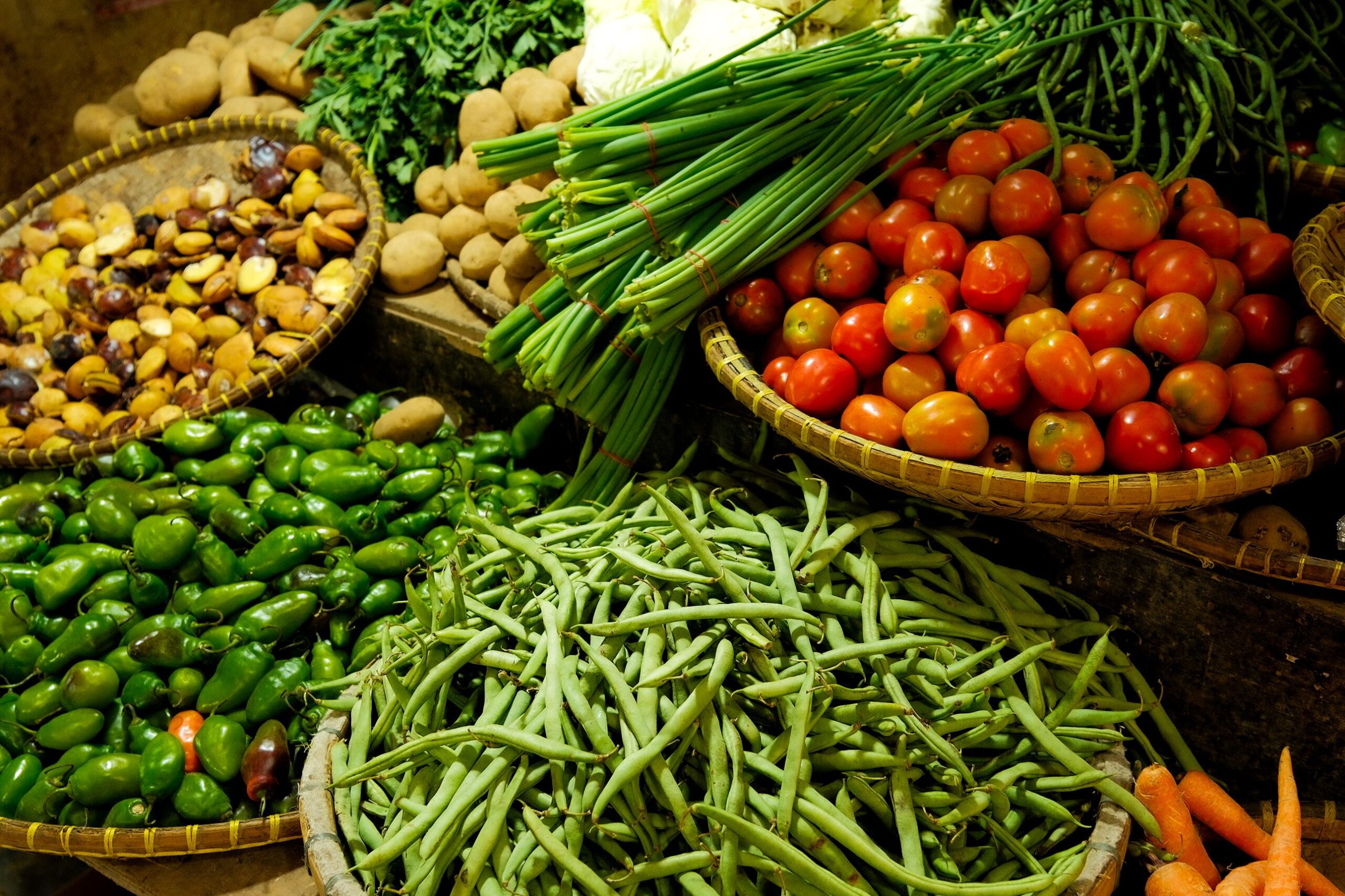
| Produce | Bananas, melon, pears, most cooked vegetables, potatoes, leafy greens | Berries, apples, raw onions or garlic | Citrus, tomatoes and tomato sauce |
| Grains | Oatmeal, plain rice, whole-grain bread, plain pasta | High-fat baked goods, bran-heavy cereals | Cheesy, creamy or fried grain dishes |
| Protein | Skinless poultry, fish, eggs, tofu, beans and lentils (if tolerated) | Lean red meat | Fried, fatty or processed meats; sausages |
| Dairy | Low-fat milk or yogurt, plant milks without added mint | Cheese in small amounts | Full-fat dairy, cream, rich ice cream |
| Fats and sauces | Small amounts of olive oil or avocado | Nut butters | Heavy dressings, fried foods, spicy sauces |
| Drinks | Water, caffeine-free herbal teas you tolerate | Decaf coffee, sparkling water (see note below) | Coffee and other caffeine, alcohol, mint teas, citrus juices |
| Snacks | Plain crackers, rice cakes, unsalted nuts in small amounts | Dark chocolate in small amounts | Chocolate, chips, candies with mint |
The columns are a starting point, not a verdict. The NIDDK categories (acidic foods, alcohol, chocolate, coffee and caffeine, high-fat foods, mint, spicy foods) come from NIDDK; the items in the first two columns are common examples that many people tolerate and are not an NIDDK list. Bubbly drinks are covered in a separate article on sparkling water.
Label checks that matter
- Fat. Compare fat per serving on products such as dressings, sauces, snack bars and ready meals.
- Mint. Check gum, lozenges, teas, toothpaste-flavored sweets and some chocolates.
- Tomato and citrus ingredients. They hide in sauces, soups and “flavorings”.
- Added sugar and sweeteners. Large amounts can upset digestion in some people.
- Alcohol-containing products, such as some cooking wines.
Cooking methods and easy swaps
How you cook matters as much as what you buy. Fat is one of the categories NIDDK lists as commonly linked to symptoms, so lighter methods can make the same groceries easier to tolerate. These swaps are common and low-risk:
- Bake, grill, steam, poach or air-fry instead of deep-frying.
- Use small amounts of oil rather than heavy sauces; measure instead of pouring.
- Season with herbs such as basil, parsley or thyme instead of hot spices if spice bothers you. Mint is a listed trigger, so skip mint herbs if you are testing it.
- Replace tomato-based sauces with olive oil, herbs and vegetables if tomatoes are a trigger for you, or test a small amount first.
- Trim visible fat from meat and remove poultry skin.
- Swap creamy dressings for a small amount of oil with a mild flavoring such as herbs; add acid carefully, since vinegar and citrus can bother some people.
These are not rules. They are options to try one at a time, so you can see what helps.
About the book’s shopping lists
We read the member copy of The Acid Reflux Strategy that the publisher gave us free for review. We did not buy it and have not followed it. We mention it only to say what it claims and to check that claim against public medical sources. It includes three shopping lists (foods it says are fine, to eat in moderation and to avoid), which it says it took from another website. We do not copy them. Our table is built from the NIDDK categories and common examples, with the expectation that you adjust it for yourself. If you want to see how the program compares with public guidance, read our review.
Printable checklist
- ☐ Oats, rice or plain whole-grain bread
- ☐ Bananas or melon
- ☐ Leafy greens and cooked vegetables
- ☐ Skinless poultry, fish or eggs
- ☐ Low-fat dairy or plant milk
- ☐ Caffeine-free drinks I tolerate
- ☐ Plain crackers or rice cakes
- ☐ Olive oil (small amounts)
- ☐ Foods I am testing this week: ______________
- ☐ Labels checked for fat, mint, tomato and citrus
Shopping on a budget, with other health conditions
A reflux list does not need to be expensive. Plain staples such as oats, rice, bananas, potatoes, eggs and frozen vegetables are usually inexpensive. Frozen vegetables and plain canned beans (rinsed) are practical, and batch cooking plain bases lets you add flavor in small amounts to find your limits. Check labels on canned goods and packet meals, because fat, tomato and added flavorings can hide there.
If you also manage diabetes, kidney disease, high blood pressure or food allergies, a generic list may conflict with your needs. For example, bananas and potatoes are higher in potassium, which some people with kidney disease need to limit, and dairy swaps may matter for lactose intolerance. Ask your doctor or a dietitian to review the list before changing a diet you have been advised to follow.
Pregnant readers should check any food or herbal product with their midwife or doctor; see acid reflux during pregnancy.
Turning the list into meals
Meal size and timing matter as much as the food itself. The NHS recommends smaller, more frequent meals and not eating within 3 or 4 hours of bed; NIDDK says at least 3 hours before lying down. Our 7-day diet plan, best foods guide and low-acid diet guide show example meals. If you want a written plan to follow, some readers consider structured programs; we explain the pros and cons of one in our review.
Questions to ask your doctor or pharmacist
- Are there foods I should avoid because of other conditions (diabetes, kidney disease, allergies)?
- Should a dietitian review my meal plan?
- Is my heartburn frequent enough to need a check-up?
- Could any of my medicines make a dietary difference?
- Is it safe to cut certain food groups?
If you want a written plan to follow
Some readers like a structured program for diet and habits. The Acid Reflux Strategy is a $49 one-time PDF (vendor order page, checked 20 Oct 2026) with a 60-day refund promised through ClickBank; it is not a treatment and some of its claims conflict with medical guidance. Read our review first.
See the price and refund terms (affiliate link) →Affiliate link: we may earn a commission at no extra cost to you. The publisher’s page makes stronger claims than we can support, including about heartburn disappearing; we do not endorse them.
FAQ
What foods are safe for acid reflux?
No list fits everyone. NIDDK names categories commonly linked to symptoms, and a food diary shows your own triggers.
What groceries should I avoid with GERD?
NIDDK lists acidic foods, alcohol, chocolate, coffee and caffeine, high-fat foods, mint and spicy foods as commonly linked to symptoms.
Is oatmeal good for acid reflux?
Many people tolerate it, but evidence is limited; add toppings carefully (citrus, chocolate and high-fat additions can trigger symptoms).
Can I print this list?
Yes, the checklist can be printed or saved as a screenshot.
Do I need to avoid all trigger foods forever?
Not necessarily. Many people find they can tolerate small amounts; a diary helps find your limits.
Sources
- NIDDK: Eating, diet and nutrition for GER and GERD
- NHS: Heartburn and acid reflux
- ACG Clinical Guideline for the Diagnosis and Management of GERD (Katz et al., Am J Gastroenterol 2022)
Medical disclaimer: this article is general information for adults, not medical advice, diagnosis or treatment, and it was not written by a doctor. It does not replace your own clinician. Last reviewed 20 Oct 2026. We may earn a commission if you buy through the single affiliate link on this page, at no extra cost to you. See our affiliate disclosure, medical disclaimer and editorial policy.