Peppermint Tea and Acid Reflux: Soothing or a Trigger?
- NIDDK lists mint among foods and drinks commonly linked to GERD symptoms.
- A short-lived drop in lower esophageal sphincter pressure after peppermint oil has been reported in an older study of healthy volunteers.
- Peppermint oil capsules are used for irritable bowel symptoms, which is a separate issue from reflux.
- Not everyone reacts; a diary shows whether mint is your trigger.
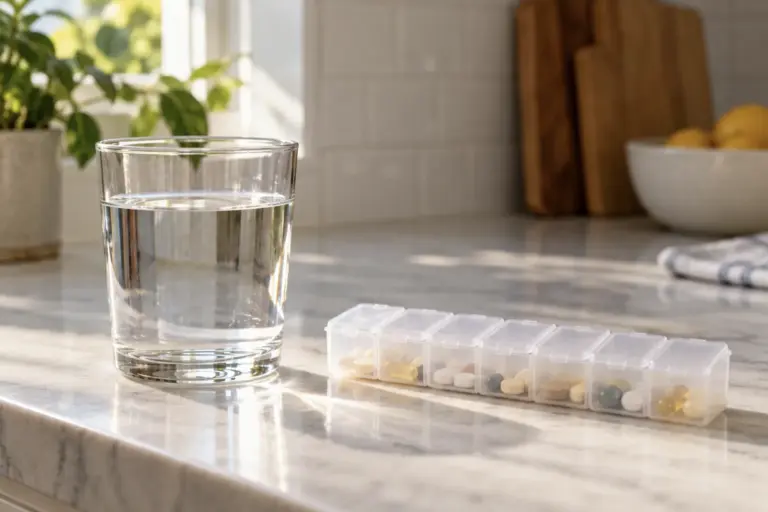
- Never swallow essential oils; talk to a pharmacist about capsules.
Why peppermint tea is recommended, and why it may backfire
Peppermint tea is popular after meals, and it is easy to see why it is suggested for digestive complaints: it smells and tastes soothing, it is caffeine-free, and in some conditions it genuinely relaxes the gut. The catch is that the same smooth-muscle relaxing effect may be unhelpful in reflux. Heartburn happens when the ring of muscle at the bottom of the esophagus (the lower esophageal sphincter) opens when it should not. A substance that relaxes smooth muscle could, in theory, make that more likely.
What the evidence says
The public guidance is consistent. NIDDK includes mint in its list of foods and drinks commonly linked to GERD symptoms, alongside acidic foods, alcohol, chocolate, coffee and other caffeine, high-fat foods and spicy foods. Harvard Health has also advised people troubled by heartburn to avoid peppermint.
On the mechanism, a review table we found summarizes an older human study in healthy volunteers in which peppermint oil lowered lower esophageal sphincter pressure for roughly half a minute. Another small study in patients with esophageal spasm found no change in sphincter pressure but did reduce spasm, so effects differ between conditions. We found no good trials of peppermint tea in people with GERD, so we cannot say how much a normal cup does. What we can say is that mint is flagged often enough that it is reasonable to test it.
Reflux versus bowel symptoms
Peppermint oil, typically in enteric-coated capsules designed to release in the intestine, is used for symptoms of irritable bowel syndrome. That is a different part of the digestive tract and a different goal. Enteric coating is designed to avoid the stomach, which is partly to reduce heartburn. If you have both IBS and reflux, ask your clinician or pharmacist about the trade-offs; do not assume what suits the bowel suits the esophagus. Never swallow pure peppermint essential oil; it is a concentrated product, not a drink.
Mint products compared
Not all mint products are the same, and the forms differ in how concentrated they are. This table is about caution rather than benefit.
| Form | How concentrated | What to know |
|---|---|---|
| Peppermint tea bag | Low to moderate | The mildest option. Still listed under “mint” by NIDDK; test your own reaction. |
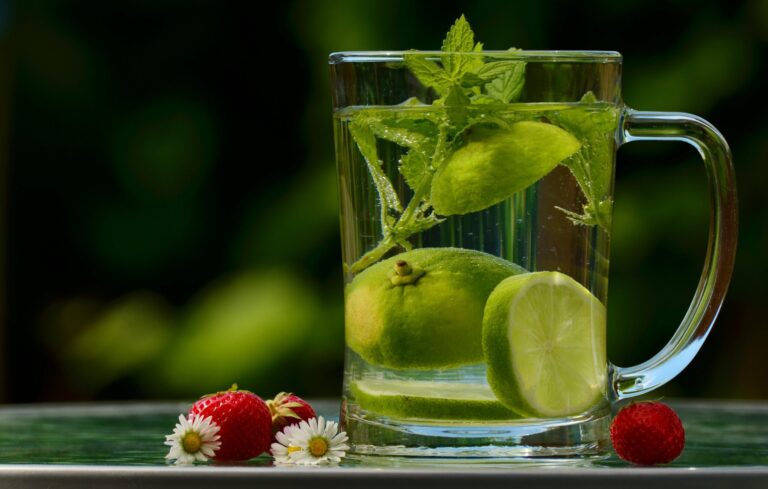
| Fresh mint leaves in food or water | Low | A small flavor load; sensitive people may still notice it. |
| Mint gum, candies, lozenges | Low, but frequent | Easy to take several a day without noticing. |
| Enteric-coated peppermint oil capsules | High | Used for bowel symptoms; ask a pharmacist, especially if you have reflux or take other medicines. |
| Peppermint essential oil | Very high | Not a drink or a supplement. Do not swallow essential oils. |
What the book says
We read the member copy of The Acid Reflux Strategy that the publisher gave us free for review. We did not buy it and have not followed it. We mention it only to say what it claims and to check that claim against public medical sources. Among its list of remedies for reflux is mint (peppermint or spearmint). The book gives no scientific reference for this, and it conflicts with the NIDDK list. We would not follow it for reflux without testing your own reaction carefully. See our review for the full comparison with medical guidance.
Who should be extra careful
- Anyone with frequent heartburn, a hiatal hernia or a known weak valve.
- People taking medicines that affect the esophagus or stomach. Ask a pharmacist before using mint capsules or concentrated products.
- Pregnancy and breastfeeding. Check with your midwife or doctor before regular herbal use; see acid reflux during pregnancy.
- Young children and babies. Do not apply or give concentrated mint products to young children without pediatric advice; see acid reflux in babies.
- Mint everywhere. Mint is also in gum, toothpaste, candies and some lozenges, which can add up for sensitive people.
Mint in cooking and everyday products
Mint turns up in places people do not expect: chocolate-mint desserts, mint sauce, some salad dressings, herbal teas sold as “digestive” blends, toothpaste, mouthwash and breath strips. Mouthwash and toothpaste are rinsed or spat out, so they are less likely to matter, but sweets and teas are swallowed. If you are trying to work out whether mint is a trigger, count all sources over the test period, not only tea. A short list of every mint-containing item you use in a week is a surprisingly useful exercise.
If you decide mint is a trigger, you do not necessarily need to give up flavor. Basil, parsley, fennel fronds or a little ginger can add freshness to food, though everybody’s triggers are different, and some people find herbs and spices bother them too. The only way to know is to keep notes.
How to test whether mint bothers you
- Pick a day when other things are stable (no new foods or late meals).
- Have a small cup of peppermint tea earlier in the evening, not right before lying down.
- Record how you feel over the next few hours.
- Repeat once or twice. If heartburn follows, mint is probably a trigger for you.
- If it never bothers you, there is no need to avoid it, but keep other triggers in view.
Safer swaps
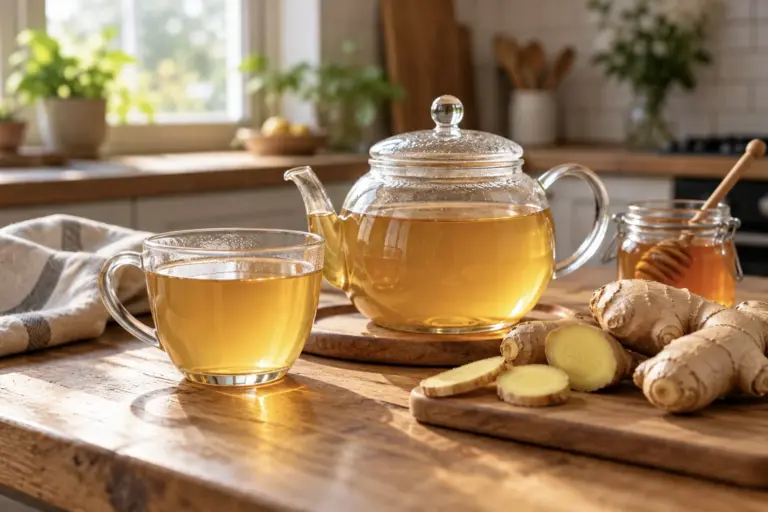
If you want a warm, caffeine-free drink, plain warm water, chamomile (check allergy and medicine cautions) or ginger in modest amounts are common choices. None has strong reflux trial evidence, so treat them as drink choices, not treatments. For the bigger picture, see foods that trigger acid reflux and natural remedies.
Questions to ask your doctor or pharmacist
- Could mint be a trigger for me, and should I avoid it?
- I have IBS and reflux. Is a peppermint oil capsule appropriate?
- Do any of my medicines interact with herbal products?
- Is it safe for my child or during pregnancy to use mint products?
- Should my frequent heartburn be evaluated rather than self-managed?
FAQ
Is peppermint tea bad for acid reflux?
For many people with reflux it can be, because mint is listed by NIDDK among foods commonly linked to GERD symptoms. Not everyone reacts.
Why does peppermint cause heartburn?
Peppermint may relax smooth muscle, including the valve at the bottom of the esophagus, which could let acid rise. Evidence for tea specifically is limited.
Is spearmint better than peppermint for reflux?
We found no good evidence that it is. Mint in general is listed as a possible trigger.
Does peppermint help IBS?
Enteric-coated peppermint oil capsules are used for IBS symptoms, but that is a separate condition. Ask a clinician or pharmacist before using them.
What tea is best for acid reflux?
No tea has strong reflux trial evidence. Plain warm water or a caffeine-free herbal tea you tolerate are common choices; avoid ones that trigger you.
Sources
- NIDDK: Eating, diet and nutrition for GER and GERD
- Review table of peppermint oil effects on lower esophageal sphincter (PMC5814329)
- Harvard Health Publishing: HEALTHbeat
- NHS: Heartburn and acid reflux
- NIDDK: Symptoms and causes of GER and GERD
Medical disclaimer: this article is general information for adults, not medical advice, diagnosis or treatment, and it was not written by a doctor. It does not replace your own clinician. Last reviewed 20 Oct 2026. Some pages we link to contain affiliate links; we may earn a commission at no extra cost to you. See our affiliate disclosure, medical disclaimer and editorial policy.